

Environmental Engineering & Sustainability Advisory
Leadership coaching for senior sustainability and ESG professionals. Helping leaders turn sustainability obligations into commercially useful strategy, strengthen organisational resilience and make better-informed decisions in a changing world.
Bonahis OKO provides specialist advisory expertise across environmental engineering, climate adaptation and resilience, energy transition, net zero and nature , connecting technical understanding with practical, evidence-informed action.
Environmental, Climate and Energy Risks Are Increasingly Interconnected
Organisations are rarely dealing with a single environmental or sustainability issue in isolation.
Climate impacts can affect infrastructure, operations, supply chains, energy systems, ecosystems and long-term investment decisions at the same time. Energy transition pressures can create new resilience, cost and infrastructure considerations. Environmental constraints and nature-related dependencies can influence what is technically practical, commercially viable and sustainable over the long term.
The challenge is therefore not simply to identify individual risks. It is to understand how those risks interact, where vulnerabilities exist and which actions should be prioritised.
Better decisions begin with understanding the relationships between environment, climate, energy, infrastructure and nature.
Identify material risks, understand system dependencies, prioritise practical responses and strengthen long-term resilience.
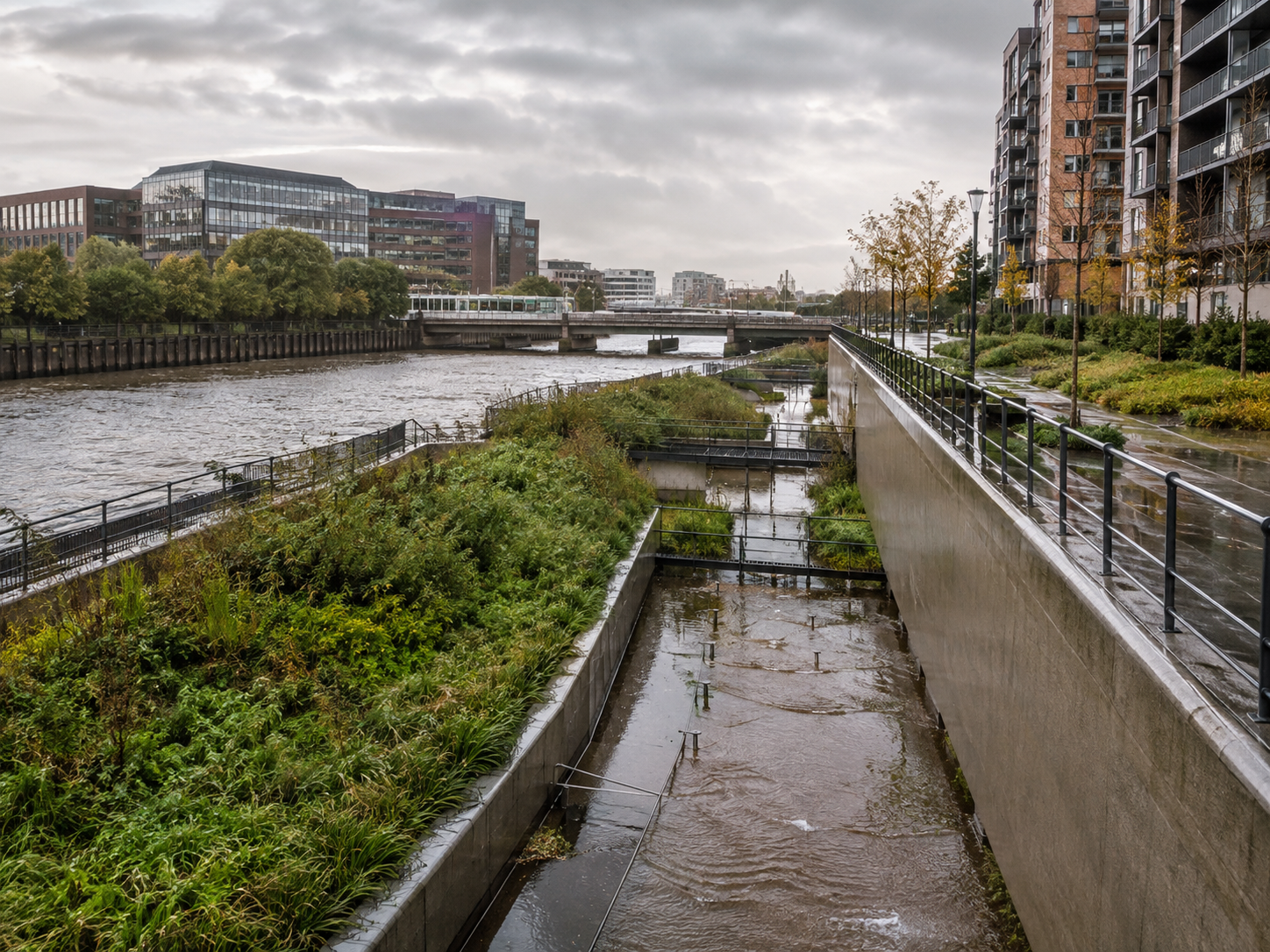
Infrastructure, environmental systems, energy and climate pressures increasingly intersect within the same places, assets and organisational decisions.
Environment. Climate. Energy. Nature. One Connected System.
Stronger environmental and sustainability decisions come from understanding how these systems influence one another.
Climate risk can reshape infrastructure needs. Energy transition can change operational resilience and investment priorities. Environmental constraints can affect what is technically feasible. Natural systems can influence exposure, resilience and long-term environmental performance.
Bonahis OKO approaches these challenges through an integrated lens, helping organisations connect technical evidence, system dependencies and strategic priorities before deciding what action to take.
Resilience is strengthened when environmental, climate, energy and natural systems are considered together.
Engineering systems, infrastructure, impacts, constraints and practical responses.
Hazards, exposure, vulnerability, adaptation and resilience.
Transition, decarbonisation, security, infrastructure and energy resilience.
Ecosystems, biodiversity, natural systems and environmental resilience.
Connecting technical understanding with strategic priorities and practical action.
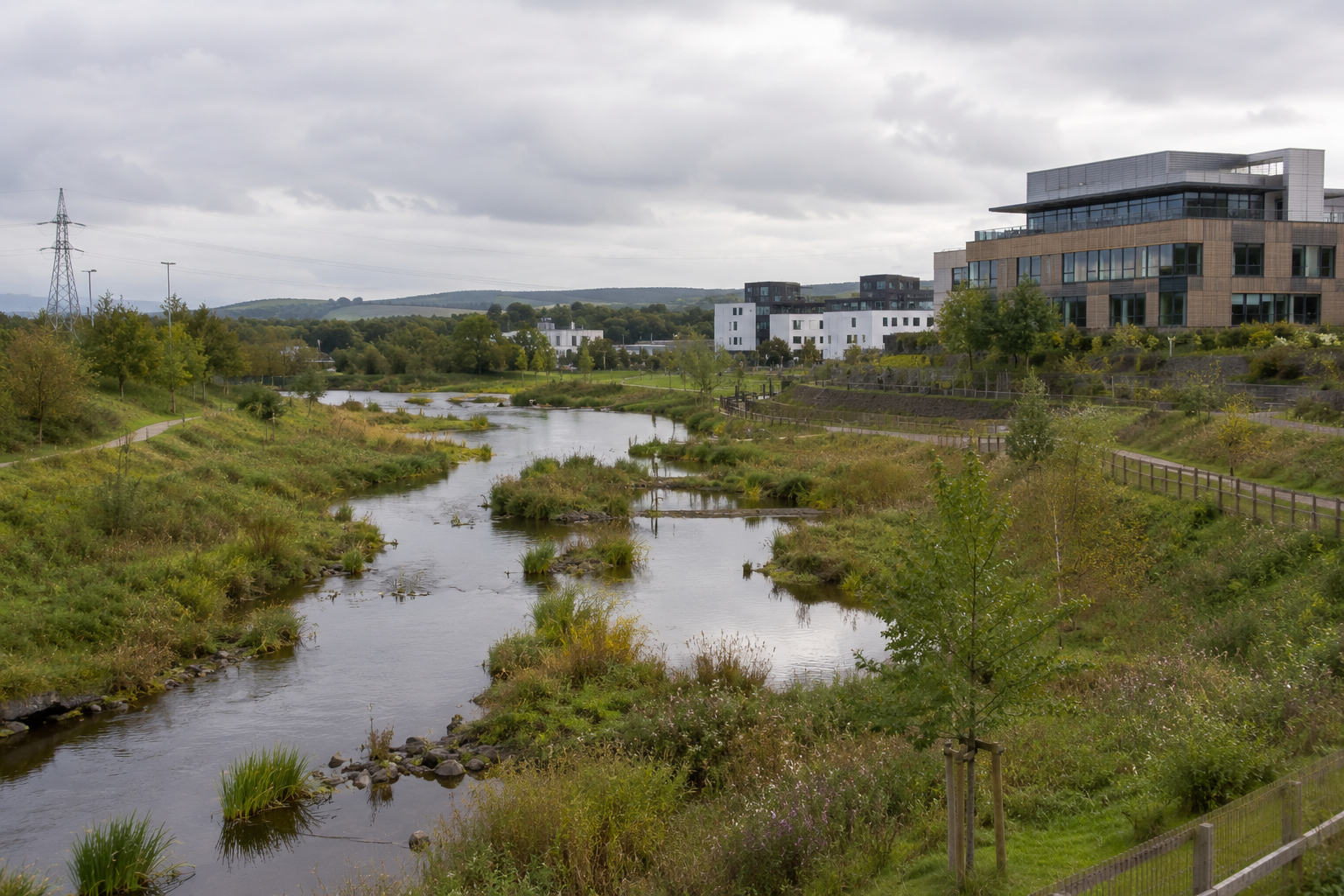
Sustainable Development Depends on Connected Decisions.
Organisations do not experience climate, environmental, energy and nature-related pressures independently. They interact across assets, operations, infrastructure, investment and long-term strategy.
Understanding those relationships helps reveal where vulnerabilities sit, where priorities overlap and where one decision may strengthen — or weaken — resilience elsewhere in the system.
Environmental Engineering & Sustainability Expertise
Specialist advisory support across environmental engineering, climate resilience, energy transition, sustainability and nature.
Each area can be addressed independently where appropriate, but the strongest decisions often come from understanding how technical, environmental, climate and energy considerations interact.
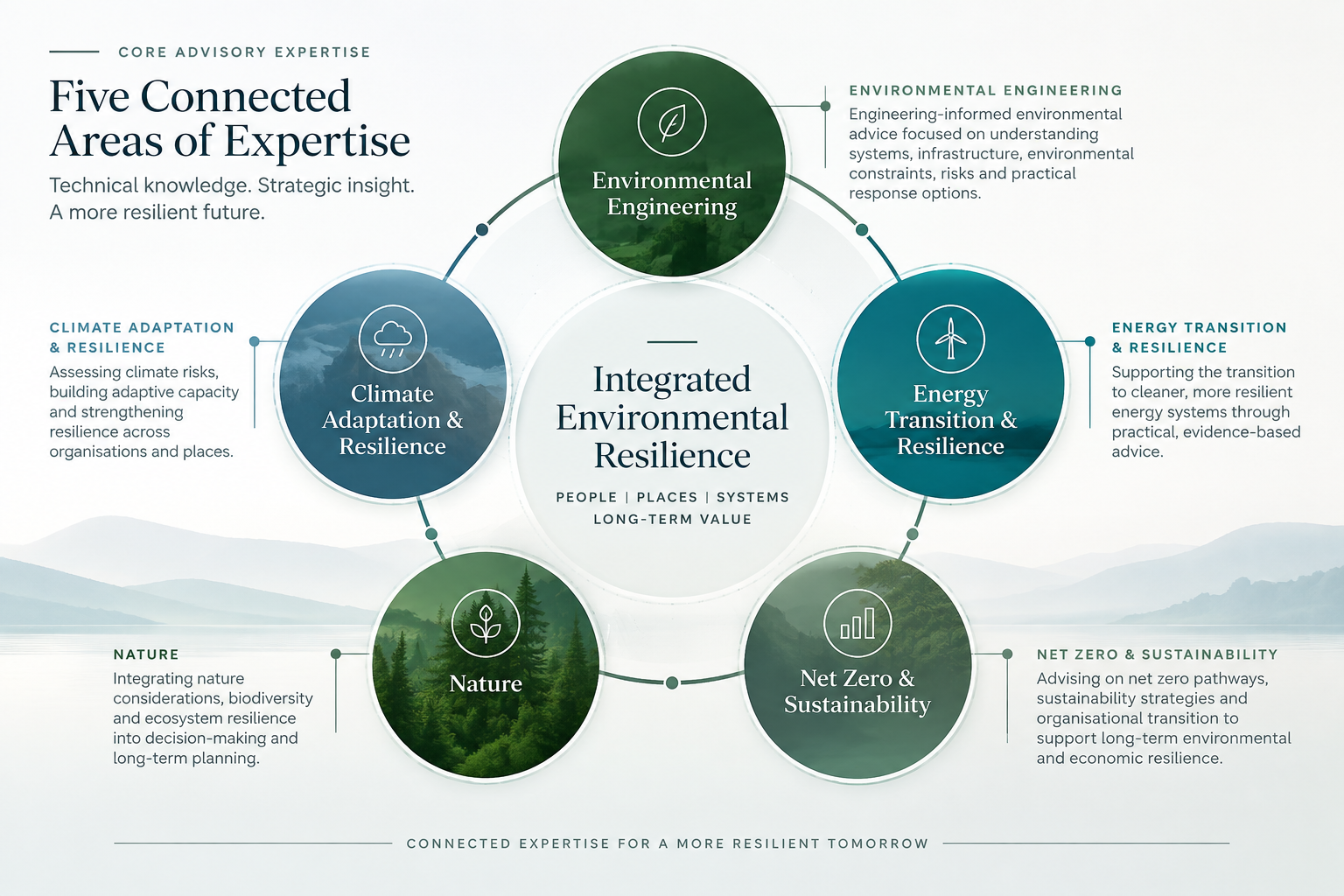
Different Areas of Expertise. One Connected View.
The strongest environmental and sustainability decisions rarely come from treating climate, energy, engineering, net zero and nature as separate conversations.
This visual brings together the core areas of Bonahis OKO’s advisory expertise, showing how technical, environmental and strategic considerations can inform more resilient long-term decisions.
Environmental Engineering
Engineering-informed environmental advice focused on understanding systems, infrastructure, environmental constraints, risks and practical response options.
Climate Adaptation & Resilience
Helping organisations understand climate-related risks, vulnerabilities and dependencies, and identify practical approaches to adaptation and long-term resilience.
Energy Transition & Resilience
Advisory support for organisations navigating changing energy systems, decarbonisation pressures, infrastructure requirements, energy security and resilience considerations.
Net Zero & Sustainability
Supporting the development of practical sustainability and net zero priorities that are informed by environmental, operational and resilience considerations.
Nature & Environmental Resilience
Considering ecosystems, biodiversity and natural systems as part of wider environmental and resilience decision-making, where relevant to organisational or infrastructure challenges.
The objective is not simply to address individual technical issues, but to support decisions that remain practical, resilient and environmentally informed over time.
Climate Adaptation & Resilience
Climate resilience starts with understanding where hazards, exposure and vulnerability combine to create material risk.
Bonahis OKO supports organisations in interpreting climate challenges, understanding system vulnerabilities and identifying practical adaptation priorities that strengthen long-term resilience.
The adjustment of infrastructure, operations, systems and decision-making in response to current or expected climate impacts.
The ability of organisations, infrastructure and systems to anticipate, withstand, recover from and adapt to climate disruption.
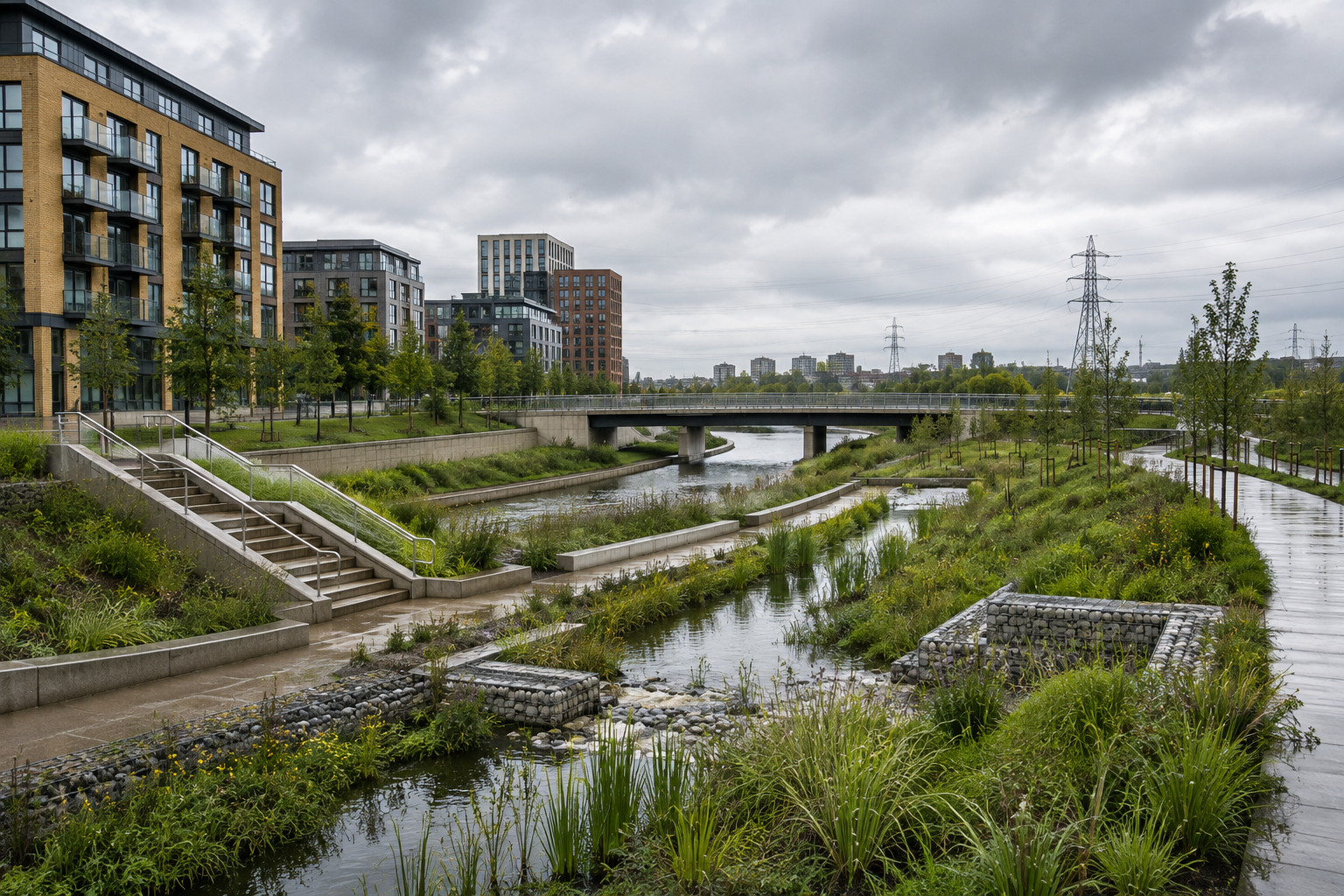
Adaptation Becomes Valuable When It Changes What Happens Next.
Understanding climate risk is only the beginning. The practical challenge is deciding where action is needed, what should be prioritised and how resilience can be strengthened over time.
This means connecting climate evidence with infrastructure, operations, assets and organisational priorities so that adaptation measures respond to real vulnerabilities rather than climate risk in the abstract.
From Climate Hazard to Resilient Action
Effective adaptation requires more than identifying a hazard. It requires understanding what is exposed, why it is vulnerable, what consequences may follow and which interventions are most appropriate.
Identify relevant climate-related events, pressures or long-term changes.
Understand which assets, systems, operations or locations may be affected.
Assess sensitivity, dependencies, weaknesses and the capacity to respond.
Evaluate potential consequences and identify what is materially important.
Develop practical responses that reduce vulnerability and improve preparedness.
Strengthen the capacity to anticipate, respond, recover and adapt over time.
Turning Climate Risk Into Practical Priorities
The value of climate analysis comes from translating evidence into decisions that organisations can understand, prioritise and implement.
Identifying relevant climate pressures, exposures, dependencies and potential consequences.
Understanding where systems, operations or assets may be particularly sensitive to disruption.
Identifying practical responses based on risk, feasibility, strategic importance and resilience needs.
Connecting adaptation actions with wider organisational, infrastructure and long-term decision-making priorities.
Climate resilience is not a one-off exercise. It requires the ability to reassess changing risks, adapt priorities and improve the resilience of systems and decisions over time.
Environmental Engineering for Resilient Systems and Decisions
Environmental engineering connects technical understanding with the environmental conditions, constraints and risks that influence infrastructure, operations and long-term performance.
Bonahis OKO brings an engineering-informed perspective to environmental and sustainability challenges, helping organisations understand how systems behave, where environmental pressures may arise and how practical responses can be evaluated.
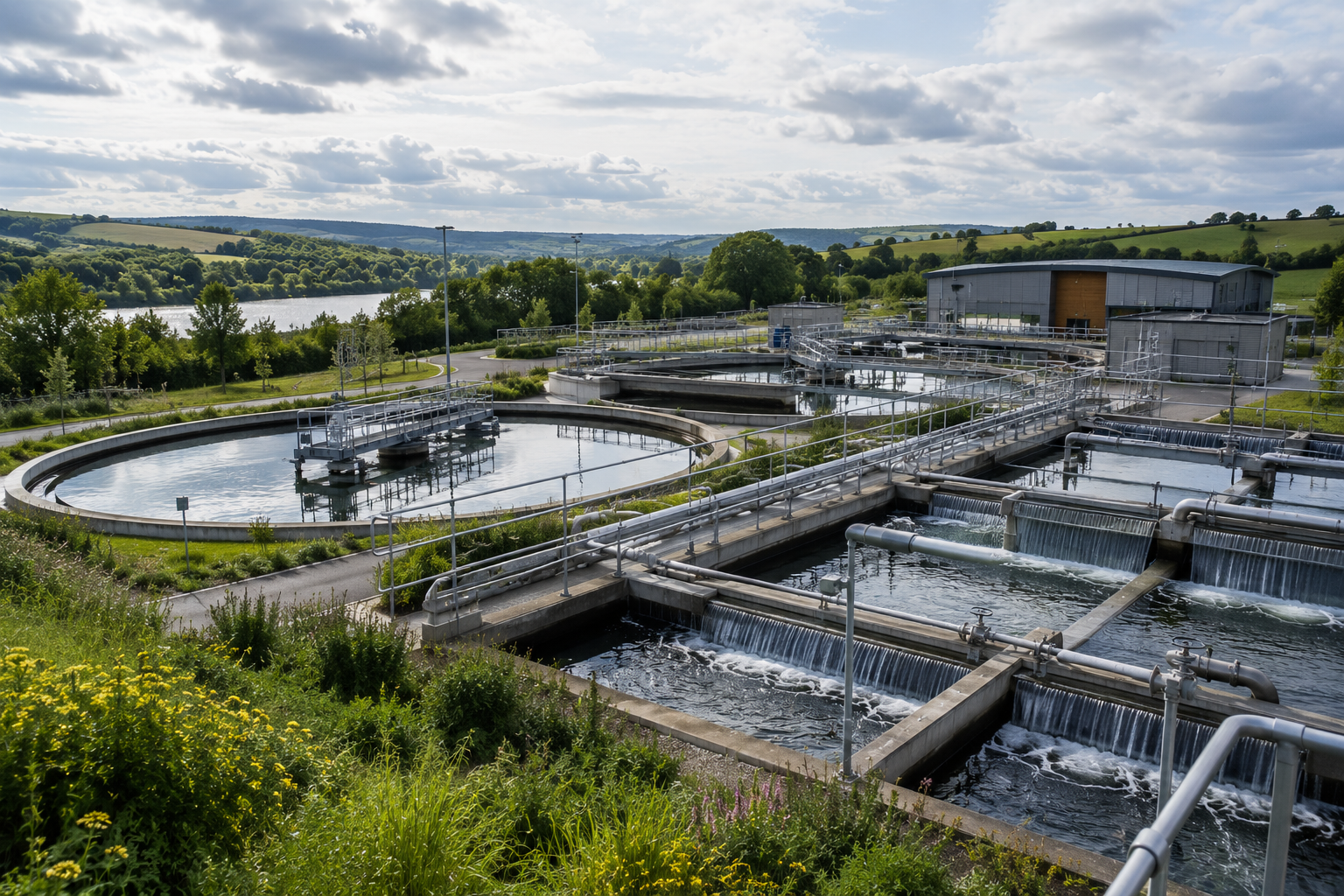
Engineering Insight Matters When It Improves the Decision.
Environmental challenges rarely sit in isolation. They emerge through interactions between infrastructure, operations, environmental conditions, dependencies and wider organisational priorities.
Bringing those factors together helps organisations understand what is technically feasible, where environmental risks may arise and how response options can be evaluated against long-term resilience and sustainability objectives.
From Environmental Context to Practical Response
Effective environmental engineering requires more than identifying an environmental issue. It involves understanding the system, the constraints around it, the risks created by those conditions and the response options available.
Examine the infrastructure, operational context, environmental setting and relevant dependencies.
Recognise environmental conditions, limitations and interfaces that may influence performance or decision-making.
Understand where environmental pressures or system weaknesses could create operational, infrastructure or strategic risk.
Compare possible responses against technical practicality, environmental considerations and wider objectives.
Translate technical understanding into clearer, more resilient and better-informed courses of action.
Engineering-Informed Environmental Advisory
The focus is on creating a clearer understanding of environmental systems and translating that understanding into practical, proportionate and decision-relevant advice.
Understanding the relationship between environmental conditions, infrastructure, operations and wider systems.
Considering how environmental pressures and dependencies can affect infrastructure performance and resilience.
Identifying environmental factors that may create technical, operational or strategic consequences.
Helping decision-makers interpret technical evidence, competing considerations and practical response options.
Environmental engineering does not operate in isolation.
Climate hazards can change environmental conditions, infrastructure exposure and resilience requirements.
Energy systems and infrastructure decisions can create environmental dependencies, constraints and transition pressures.
Ecosystems and natural processes can influence environmental performance, exposure and potential response options.
Engineering considerations help connect strategic sustainability objectives with technical practicality.
By connecting environmental systems, infrastructure, risk and resilience, organisations can make decisions that are more technically informed and better aligned with long-term environmental and sustainability objectives.
Climate Adaptation & Resilience
Climate resilience starts with understanding where hazards, exposure and vulnerability combine to create material risk.
Bonahis OKO supports organisations in interpreting climate challenges, understanding system vulnerabilities and identifying practical adaptation priorities that strengthen long-term resilience.
The adjustment of infrastructure, operations, systems and decision-making in response to current or expected climate impacts.
The ability of organisations, infrastructure and systems to anticipate, withstand, recover from and adapt to climate disruption.
From Climate Hazard to Resilient Action
Effective adaptation requires more than identifying a hazard. It requires understanding what is exposed, why it is vulnerable, what consequences may follow and which interventions are most appropriate.
Identify relevant climate-related events, pressures or long-term changes.
Understand which assets, systems, operations or locations may be affected.
Assess sensitivity, dependencies, weaknesses and the capacity to respond.
Evaluate potential consequences and identify what is materially important.
Develop practical responses that reduce vulnerability and improve preparedness.
Strengthen the capacity to anticipate, respond, recover and adapt over time.
The framework continues because climate resilience is an ongoing process of reassessment, adaptation and improvement.
Turning Climate Risk Into Practical Priorities
The value of climate analysis comes from translating evidence into decisions that organisations can understand, prioritise and implement.
Identifying relevant climate pressures, exposures, dependencies and potential consequences.
Understanding where systems, operations or assets may be particularly sensitive to disruption.
Identifying practical responses based on risk, feasibility, strategic importance and resilience needs.
Connecting adaptation actions with wider organisational, infrastructure and long-term decision-making priorities.
Climate resilience is not a one-off exercise. It requires the ability to reassess changing risks, adapt priorities and improve the resilience of systems and decisions over time.
Energy Transition & Resilience
The energy transition is more than a change in energy source. It involves systems, infrastructure, security, dependencies and resilience.
Bonahis OKO supports organisations in understanding the opportunities and challenges created by changing energy systems, helping to connect technical, environmental and strategic considerations with more resilient long-term decisions.
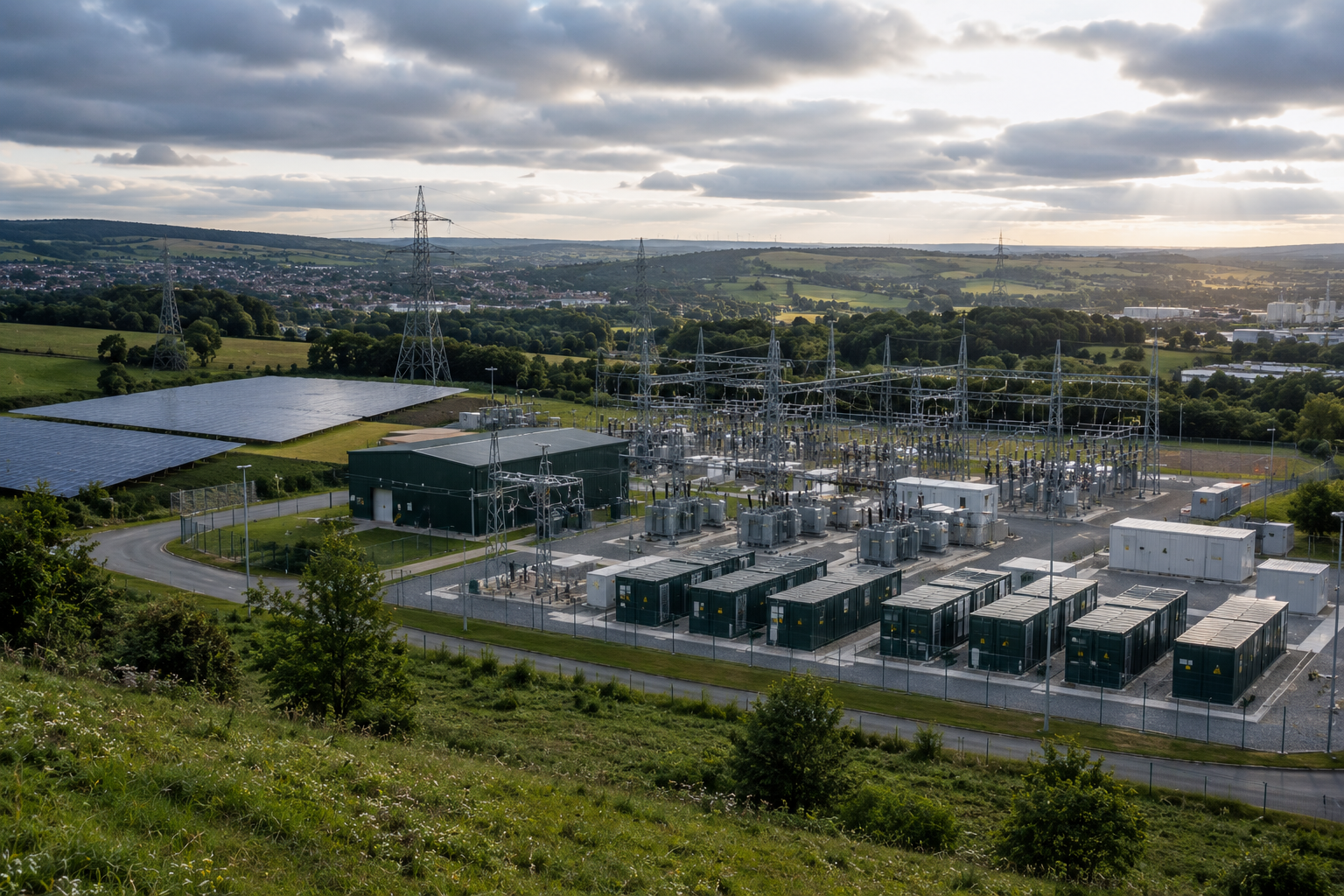
The Energy Transition Changes More Than the Energy Source.
Transitioning to lower-carbon energy can reshape infrastructure, alter supply relationships, influence operational resilience and create new dependencies.
A systems-informed view helps organisations understand how energy transition decisions interact with assets, operations, infrastructure, environmental considerations and long-term strategic priorities.
From Energy Systems to Resilient Outcomes
A successful energy transition requires more than introducing lower-carbon technologies. It requires an understanding of how existing systems, dependencies, infrastructure and external pressures influence what is practical and resilient.
Understand current and future energy needs, supply arrangements and system characteristics.
Consider decarbonisation, technology, policy, market and environmental drivers.
Identify supply, resource, infrastructure, operational and system dependencies.
Understand generation, storage, grid, asset and supporting infrastructure requirements.
Consider reliability, supply continuity, exposure and potential system disruption.
Strengthen the ability to adapt, respond and maintain essential energy-dependent activity.
Four Considerations That Shape the Transition
Energy transition decisions become stronger when emissions, infrastructure, security and resilience are considered as connected parts of the same system.
Decarbonisation
Understanding how emissions reduction priorities interact with energy demand, technology, infrastructure and operational requirements.
Energy Infrastructure
Considering the assets, networks, generation, storage and supporting systems required to enable transition.
Energy Security
Understanding supply reliability, dependencies, exposure to disruption and the implications of changing energy arrangements.
Energy Resilience
Strengthening the ability of organisations and energy-dependent systems to withstand, respond to and adapt to long-term change.
Generation Is Only Part of the System.
A reliable and resilient energy future depends on how generation, storage, grids, demand and system operation work together.
Renewable generation can reduce carbon intensity, but resilient transition also depends on the infrastructure and operational arrangements that balance supply and demand, manage variability and maintain continuity.
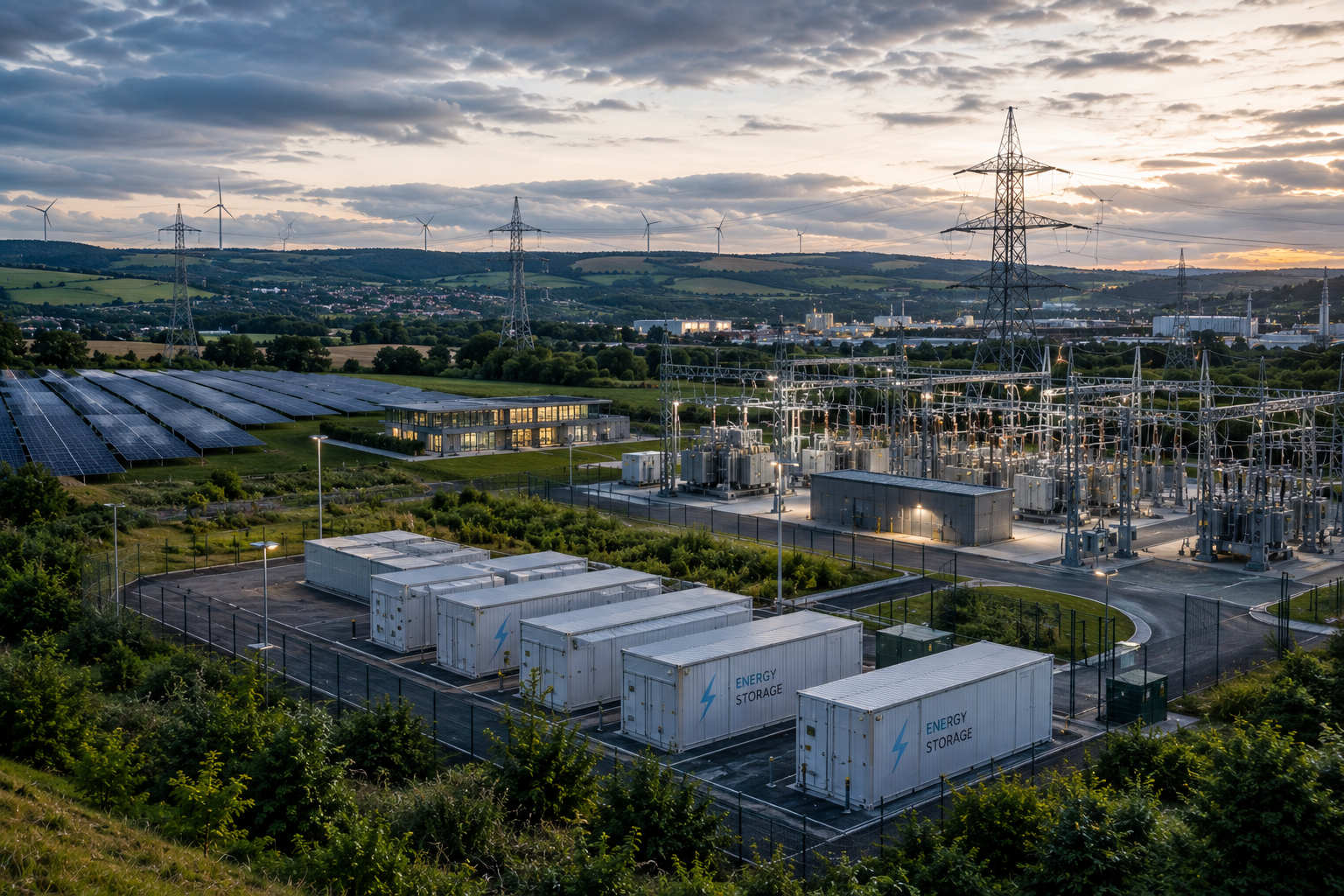
Connecting Energy Transition With Practical Decisions
The objective is to help organisations understand the wider implications of energy transition choices and connect those implications with environmental, operational and resilience priorities.
Understanding transition objectives, system implications and the strategic considerations influencing future energy decisions.
Connecting emissions reduction ambitions with practical, technical and organisational considerations.
Identifying important supply, infrastructure, operational and external dependencies.
Understanding how infrastructure, storage, networks and assets influence transition options.
Considering reliability, supply continuity, exposure and potential disruption within changing energy systems.
Strengthening the capacity of energy-dependent systems and organisations to respond and adapt to long-term change.
Energy transition sits within a larger environmental system.
Energy choices can influence emissions, infrastructure, environmental performance, climate exposure and organisational resilience. They are therefore most useful when considered alongside the wider systems in which organisations operate.
By considering decarbonisation, infrastructure, security, dependencies and resilience together, organisations can make energy decisions that are better aligned with both transition objectives and long-term performance.
Net Zero, Sustainability & Nature
Sustainability decisions are stronger when carbon, environmental performance, resilience and natural systems are considered together.
Bonahis OKO supports organisations in translating sustainability ambitions into clearer priorities by connecting net zero objectives with environmental engineering, climate resilience, energy systems and the wider natural environment.
Organisations may also need to consider energy requirements, climate exposure, infrastructure, environmental constraints, ecosystems and the practical consequences of transition. Bringing these considerations together can support more coherent and durable sustainability decisions.
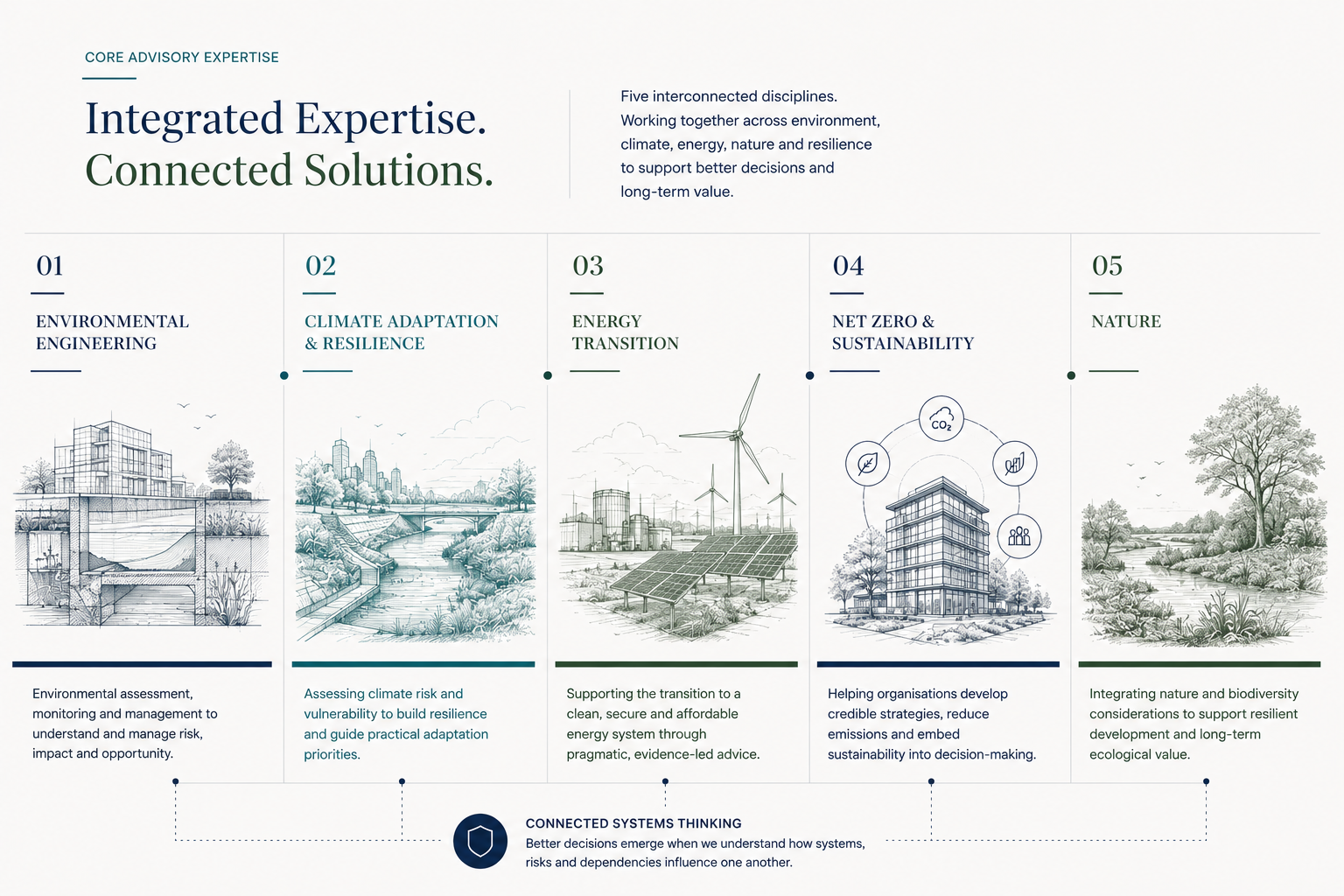
Net zero sits within a wider system of environmental performance, climate resilience, energy transition and nature.
Sustainability Decisions Do Not Exist in Isolation.
Carbon reduction is important, but durable sustainability decisions also depend on the environmental, climate, energy and natural systems around them.
Looking across these connected areas helps reveal dependencies, trade-offs and opportunities that may be missed when net zero, resilience and nature are approached as separate programmes.
From Environmental Ambition to Long-Term Value
Effective sustainability strategy requires a clear understanding of objectives, technical realities, environmental dependencies and the actions that can deliver meaningful progress.
Clarify the environmental and sustainability issues that are most relevant to organisational objectives and decisions.
Connect carbon reduction ambitions with energy systems, operational realities and technically practical pathways.
Consider how infrastructure, operations and environmental systems influence long-term sustainability performance.
Ensure sustainability priorities remain relevant as climate hazards, vulnerabilities and adaptation requirements evolve.
Recognise where ecosystems, biodiversity and natural systems are relevant to environmental resilience and decision-making.
Align environmental ambition with technical understanding, resilience and practical implementation.
Carbon. Environment. Natural Systems.
Sustainability can become fragmented when these areas are treated as separate programmes. A systems perspective helps reveal dependencies, trade-offs and opportunities for stronger outcomes.
Understanding decarbonisation priorities in the context of energy, operations, infrastructure and practical transition.
Connecting sustainability objectives with environmental systems, engineering constraints and long-term performance.
Considering ecosystems and natural processes where they influence exposure, resilience, environmental performance or potential response options.
Natural systems can form part of the resilience picture.
Ecosystems, biodiversity and natural processes can influence environmental conditions, infrastructure exposure and the way organisations respond to environmental and climate pressures.
Where relevant, considering nature alongside engineering, climate and sustainability priorities can provide a more complete understanding of environmental risk and potential response options.
Translating Sustainability Ambition Into Practical Priorities
Clarify the environmental, climate, energy and natural system considerations surrounding the decision.
Focus attention on the issues that are most relevant to performance, resilience and strategic objectives.
Consider technical feasibility, dependencies, trade-offs and the wider consequences of available options.
Connect sustainability objectives with actions that can remain relevant as environmental conditions and priorities evolve.
By connecting net zero, environmental performance, energy, climate and nature, organisations can approach sustainability as part of a wider system of long-term environmental and operational decision-making.
Expertise Across Climate, Environment and Sustainability.
Dr Bonahis Oko’s professional perspective brings together environmental understanding, climate strategy, sustainability leadership, energy transition and organisational resilience.
These areas increasingly overlap in practice. Climate risk can influence infrastructure and operations. Energy decisions can affect decarbonisation and resilience. Environmental performance can shape sustainability priorities, while governance determines how effectively those priorities become action.
Different Disciplines. One Connected Perspective.
The value of specialist expertise often comes from understanding not only an individual issue, but how that issue interacts with wider environmental, organisational and strategic systems.
Climate Strategy & Resilience
Understanding climate-related risks, vulnerabilities and strategic implications, while identifying practical priorities that can strengthen organisational preparedness and resilience.
Net Zero & Decarbonisation
Connecting carbon reduction ambitions with operational realities, energy requirements, transition pathways and the wider decisions required to support credible progress.
Environmental Management & Technical Context
Applying environmental understanding to assessment, remediation, permitting, environmental performance and the interpretation of technical environmental constraints.
Energy Transition & Resilience
Considering energy transition in the context of decarbonisation, infrastructure, energy security, dependencies and long-term organisational resilience.
Sustainability Strategy & Governance
Translating sustainability priorities into clearer organisational direction through governance, strategic alignment, capability building and evidence-informed decisions.
Nature & Environmental Resilience
Considering ecosystems, biodiversity and natural systems where they influence environmental conditions, climate resilience, organisational dependencies and response options.
Expertise Becomes More Valuable When the Connections Are Visible.
Environmental and sustainability challenges rarely arrive individually. Understanding the connections between climate, energy, environmental performance, nature and organisational priorities can reveal risks and opportunities that may otherwise remain hidden.
Technical Understanding Should Improve the Decision.
Establish the environmental, climate, energy or sustainability context surrounding the issue.
Identify relationships, dependencies and consequences across interconnected systems.
Focus attention on the risks, opportunities and interventions that matter most.
Translate technical and strategic understanding into clearer, practical decisions.
See How These Areas of Expertise Come Together in Practice.
Explore Bonahis OKO’s advisory expertise across environmental engineering, climate resilience, energy transition, net zero, sustainability and nature.
The Question Is Not Only “What Could We Do?”
Stronger advisory thinking also asks what is technically appropriate, environmentally responsible, strategically relevant and resilient over the longer term.

Thinking Beyond Individual Environmental Issues.
Climate, energy, environment and nature increasingly influence the same organisational decisions.
Bonahis OKO explores the technical relationships, strategic implications and practical questions behind environmental resilience and sustainability.
Climate Risk, Adaptation & Resilience
Understanding hazards, exposure, vulnerability and the practical decisions that can strengthen long-term resilience.
Environmental Systems & Infrastructure
Exploring how environmental conditions, infrastructure and technical constraints influence risk and decision-making.
Energy, Net Zero & Decarbonisation
Considering carbon reduction alongside energy systems, security, infrastructure and resilience.
Where the Connections Matter.
Better decisions often emerge when climate, environment, energy and nature are considered as parts of the same system.
Technical insight becomes valuable when it helps decision-makers understand what is changing, what is exposed, what matters most and which responses are practical.
Questions Organisations Often Need to Answer.
Clear explanations of environmental engineering, climate resilience, energy transition, sustainability and the advisory perspective of Bonahis OKO.
01 What is environmental engineering?
Environmental engineering applies engineering, scientific and systems thinking to environmental challenges. It can involve understanding how infrastructure, human activity and natural systems interact, identifying environmental risks and constraints, and developing practical responses that support environmental performance and resilience.
02 What is climate adaptation?
Climate adaptation involves adjusting infrastructure, operations, systems and decision-making in response to current or expected climate impacts. It aims to reduce vulnerability, improve preparedness and help organisations respond more effectively to changing climate conditions.
03 What is climate resilience?
Climate resilience is the ability of organisations, infrastructure and systems to anticipate, withstand, recover from and adapt to climate-related disruption. It requires understanding hazards, exposure and vulnerability and using that information to strengthen preparedness and adaptive capacity.
04 What is energy resilience?
Energy resilience is the ability of organisations and systems to maintain critical functions, adapt to disruption and respond to changes in energy supply, infrastructure and transition pressures. It considers reliability, dependencies, energy security and the ability to operate through change.
05 How are energy transition and net zero connected?
Net zero describes an emissions objective, while energy transition describes the broader change in how energy is produced, distributed and used. Progress towards net zero can therefore require changes to technologies, infrastructure and operating models, alongside consideration of energy security and resilience.
06 How does nature relate to environmental resilience?
Ecosystems and natural processes can influence environmental conditions, climate exposure and the resilience of human and infrastructure systems. Considering biodiversity, ecosystems and nature alongside engineering and climate factors can therefore provide a more complete understanding of environmental risk.
07 What does an environmental and sustainability advisor do?
An environmental and sustainability advisor helps organisations understand environmental challenges, interpret evidence, identify risks and dependencies, evaluate possible responses and translate technical considerations into practical priorities for decision-making.
08 When should an organisation consider climate resilience?
Climate resilience should be considered where climate-related hazards could affect infrastructure, operations, supply chains, investments, energy systems or other important organisational dependencies. Considering resilience early can help identify vulnerabilities before they become harder to address.
09 Does sustainability go beyond net zero?
Yes. Net zero primarily concerns greenhouse gas emissions, while sustainability can also include environmental performance, resource use, energy systems, climate resilience, infrastructure, ecosystems and other long-term environmental considerations.
10 Where is Bonahis OKO based?
Bonahis OKO is based in London, United Kingdom, with an international perspective across environmental engineering, climate resilience, energy transition, sustainability and related environmental challenges.
Need Clarity on an Environmental, Climate or Sustainability Challenge?
Complex environmental and sustainability decisions become easier when the risks, dependencies and practical priorities are understood clearly.
Speak with Bonahis OKO about your environmental engineering, climate resilience, energy transition, net zero, nature or sustainability challenge and explore where specialist advisory support may add value.